Dip Coating Machines: A Comprehensive Guide
Dip coating exists because industries need consistent, high-quality surface finishes on materials such as glass, ceramics, metals, and polymers. The method is widely used in electronics, medical devices, optics, and research laboratories. By controlling withdrawal speed, viscosity, and drying conditions, dip coating can achieve consistent film thicknesses from nanometers to microns.
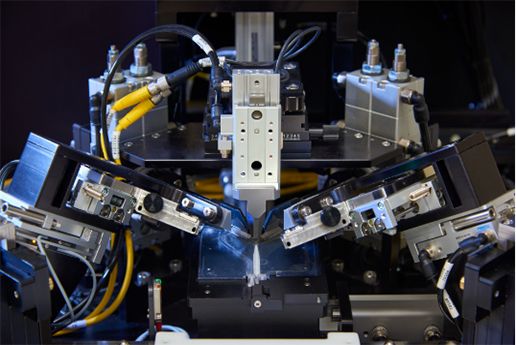
Importance
Dip coating plays a critical role in modern manufacturing and research. Its importance lies in both its adaptability and its precision.
Key reasons why it matters:
-
Uniform coatings: Provides consistent surface finishes crucial for semiconductors, solar panels, and biomedical devices.
-
Wide material compatibility: Works with metals, glass, ceramics, and polymers.
-
Applications in innovation: Used for applying hydrophobic, conductive, or anti-reflective coatings that improve product performance.
-
Scalability: Suitable for both small-scale research and large industrial production.
-
Sustainability considerations: Controlled use of materials reduces waste compared to other coating techniques.
Industries affected include electronics, energy, automotive, construction, optics, and healthcare. Dip coating solves challenges such as uneven coating layers, surface defects, and limited material compatibility often encountered with other coating methods.
Recent Updates
In the past year, dip coating technology has evolved alongside broader manufacturing and materials science innovations.
Key updates from 2024–2025 include:
-
Nanomaterial integration (2024): Advances in nanoparticle suspensions allow for new functional coatings, including antibacterial and self-healing films.
-
Green solvents and eco-friendly coatings (2024): Researchers are developing water-based and biodegradable coating solutions to replace harmful solvents.
-
Automation and robotics (2025): More automated dip coating machines now feature robotic arms and advanced control systems for precision in industrial settings.
-
Digital process monitoring (2025): Use of IoT sensors and AI-driven software for monitoring viscosity, withdrawal speed, and drying conditions in real-time.
-
Hybrid applications (2025): Combination of dip coating with other techniques such as spin coating and spray coating to enhance performance in high-tech industries.
Market studies in early 2025 indicate growing adoption of dip coating machines in renewable energy applications, particularly for coating solar cells and energy storage devices.
Laws or Policies
Dip coating machines are affected by safety, environmental, and manufacturing standards that vary across regions.
-
Occupational safety regulations: Agencies like OSHA (U.S.) and HSE (UK) require proper handling of solvents and safe operation of automated equipment.
-
Environmental regulations: The EU’s REACH regulations and the U.S. EPA’s rules encourage the reduction of harmful volatile organic compounds (VOCs) in coating solutions.
-
ISO Standards: ISO 9001 and ISO 14001 certification guidelines promote quality management and environmental responsibility in manufacturing.
-
Waste management policies: Many countries enforce strict rules on the disposal of chemical waste from coating processes to protect water and soil resources.
-
Cleanroom compliance: For electronics and medical applications, machines must align with standards such as ISO 14644 for cleanroom environments.
These policies influence machine design, choice of coating solutions, and facility infrastructure where dip coating is applied.
Tools and Resources
Several tools and resources can support industries, engineers, and researchers working with dip coating machines:
-
Coating thickness calculators: Online tools that estimate final film thickness based on withdrawal speed, viscosity, and solution properties.
-
Simulation software: Programs like COMSOL Multiphysics and MATLAB are used to model fluid dynamics in dip coating processes.
-
IoT monitoring platforms: Cloud-based dashboards track machine performance, ensuring consistency in industrial-scale production.
-
Academic databases: Platforms such as ScienceDirect and IEEE Xplore provide access to the latest research on dip coating applications.
-
Material datasheets: Available from chemical suppliers, these detail viscosity, surface tension, and drying properties crucial for dip coating success.
FAQs
What is dip coating used for?
Dip coating is used to apply thin films for applications such as anti-reflective coatings on glass, protective layers on medical devices, hydrophobic coatings, and conductive films in electronics.
How is coating thickness controlled in dip coating?
Thickness is primarily determined by withdrawal speed, solution viscosity, and drying conditions. Faster withdrawal speeds generally produce thicker films.
Are dip coating machines environmentally friendly?
The environmental impact depends on the coating solution used. Advances in water-based and biodegradable coatings are making dip coating more sustainable.
What industries benefit most from dip coating?
Electronics, optics, energy, automotive, and biomedical industries all benefit significantly from dip coating’s precision and adaptability.
What safety measures are important in dip coating processes?
Proper ventilation, use of non-toxic solvents, protective gear for operators, and compliance with regional chemical handling laws are essential.
Conclusion
Dip coating machines represent an important bridge between traditional surface finishing methods and modern high-tech manufacturing needs. Their value lies in producing uniform, reliable coatings across a wide range of materials and industries.
Recent innovations in nanomaterials, automation, and eco-friendly solutions are expanding the capabilities of dip coating beyond its conventional uses. At the same time, regulations around safety and environmental impact ensure that the technology continues to evolve responsibly.